Emiliya Strahilova
Modern Digital Nomads Aren’t Escaping Society. They’re Trying to Rebuild It
Modern Digital Nomads Aren’t Escaping Society. They’re Trying to Rebuild It
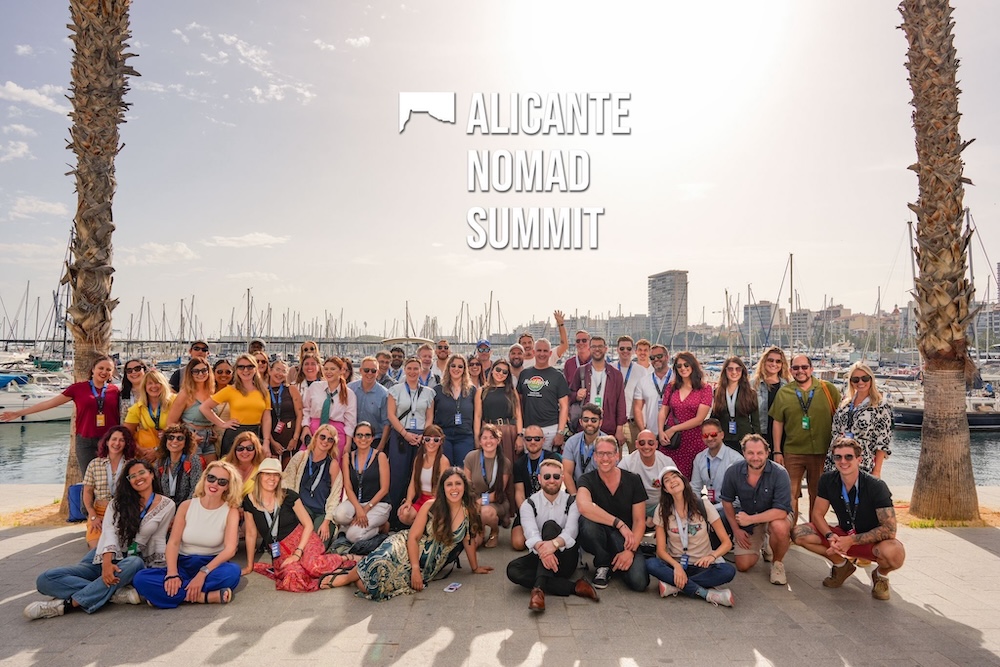
By the third day of the Alicante Nomad Summit, most people had stopped introducing themselves through their jobs.
The conversations still began that way, naturally. Someone worked in AI, someone else ran a remote design studio. There were startup founders, freelancers, marketers, developers, writers, community builders, and hardcore travelers who had spent years moving between countries with nothing more than a backpack and a laptop. But after a while, the professional bios were left behind, and the chatter evolved into something else.
A woman from the Netherlands explained why she left Amsterdam after realizing she barely knew her neighbors despite living there for six years. Someone from Argentina talked about burnout and how remote work had progressively erased any boundary between work and life. A founder building AI tools admitted that what he really wanted was to spend less time online, not more. One attendee had recently moved to a small village in Portugal with terrible public transport but weekly communal dinners that somehow mattered more.
None of this sounded like escapism. If anything, it sounded like people trying to reconstruct parts of life that modern work culture slowly stripped away.
For years, digital nomadism was packaged as a kind of permanent motion machine. Multiple flights, coworking spaces with neon signs, productivity hacks, freedom marketed through drone shots of laptops near oceans. The aesthetic became so polished that it almost stopped resembling real life.
But spending a week around more than 180 people from 35+ nationalities created a much messier and more interesting picture. People were definitely still curious. Talks about AI, remote infrastructure, online businesses, and the future of work filled the summit schedule. However, underneath all of it was another recurring theme that appeared almost accidentally, in fragments, throughout the week.
People are tired. Not dramatically or in a collapse-and-move-to-the-forest kind of way; simply overwhelmed by lives built entirely around speed, optimization, and constant digital presence.
One takeaway from interviewing our attendees stayed with us long after the summit ended.
What people wanted most long term was not more productivity, status, or even freedom in the abstract sense. It was a deeper community and belonging.
Belonging - that word came up constantly. Not networking or audience-building or “valuable connections.” Belonging in the simplest human sense of the word: familiar faces, shared routines, and feeling part of something stable enough to exhale inside of.
Now, suddenly, many other trends start looking more meaningful:
- Why remote workers are increasingly leaving major cities for smaller towns and rural regions.
- Why colivings keep appearing in places that, until recently, were mostly associated with depopulation and economic decline.
- Why people who once chased mobility now speak nostalgically about gardening, local bakeries, morning swims, shared meals, and seeing the same people repeatedly throughout the week.
Across Spain, Portugal, Italy, and Greece, rural colivings are quietly turning abandoned buildings into strange little international ecosystems. Artists from Berlin share kitchens with startup founders from Brazil. Remote workers help local cafés survive year-round tourism gaps, and skill-sharing workshops sometimes happen inside renovated farmhouses. And my personal favorite - weekly dinners where we can talk about politics, AI, burnout, relationships, and if anyone actually wants to live in large cities anymore.
It would be easy to romanticize all this, but the rural reality is more complicated.
Mobility creates tension, and so does money. Any discussion about remote workers moving into smaller places eventually collides with questions around housing, integration, sustainability, and whether these communities genuinely participate in local life or simply build beautiful bubbles beside it. People at the Alicante Nomad Summit were surprisingly aware of this and innovative rural initiatives within Spain, such as Emprende Plan (rural women-led businesses support) and Demanda Emprende (rural entrepreneurship acceleration), along with regional organizations such as CREAMA (local development of the Marina Alta region) were mentioned before, during, and after the event.
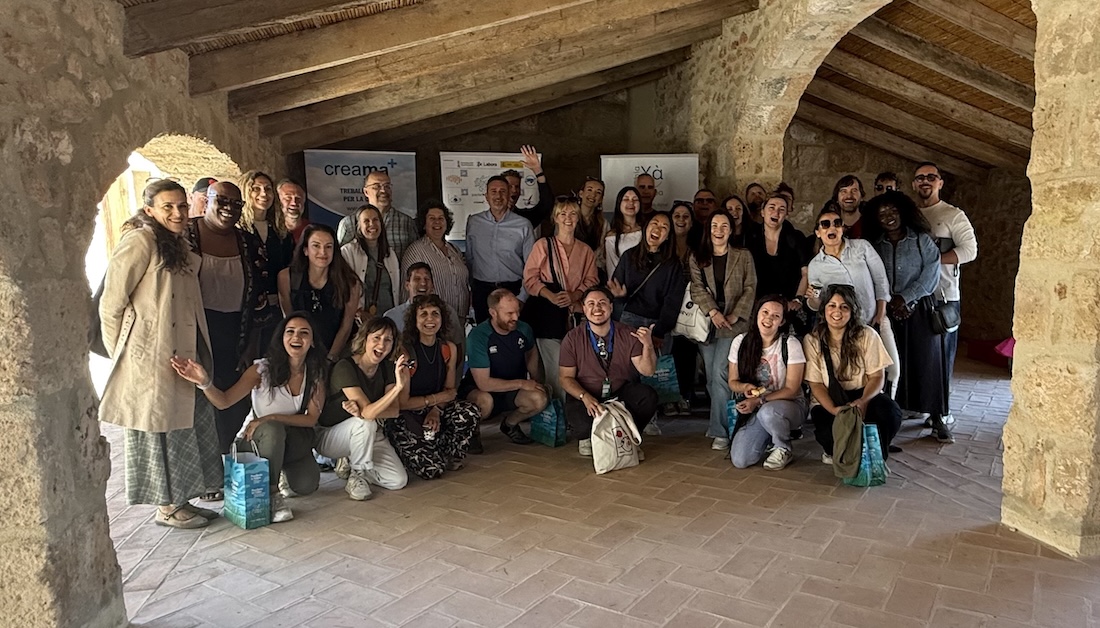
Besides, some attendees spoke openly about trying to avoid creating isolated “nomad ecosystems” detached from the places hosting them. Someone described organizing language exchanges between newcomers and locals in a rural Spanish town. Another talked about opening a coworking space specifically designed to collaborate with nearby businesses rather than replace them. A founder building a coliving project explained that half the challenge had nothing to do with infrastructure and everything to do with trust. That word also came up repeatedly.
In rural environments, trust is built slowly through proximity, repetition, and contribution, and not so much through apps. They are very handy later, though.
And probably this is where modern nomad culture becomes more interesting than the internet usually gives it credit for. Beneath the aesthetics and clichés, many people are trying to answer a genuinely difficult question:
How do you build a meaningful life in a world where work, technology, geography, and identity are all becoming increasingly fluid? The Alicante Nomad Summit itself often felt like a mock-up for possible answers.
Studying AI blended into long dinners by the sea, and networking continued during hikes around Alicante. People exchanged productivity systems in one moment and recommendations for therapists, yoga teachers, or nervous system regulation in the next. A participant would spend the afternoon explaining automation to solo startup founders, and the evening learning cocktail ingredients in a bar with the same people.
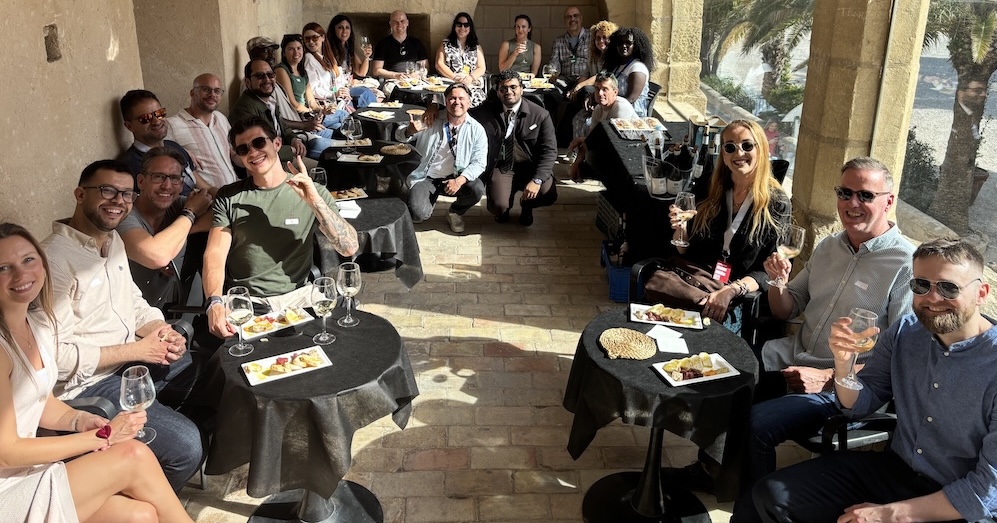
There was ambition in the room, but it didn’t feel dry and too corporate. People wanted successful projects, for sure, but they also talked constantly about sleep, mental health, art, movement, nature, and attention. One of the clearest insights from attendee feedback was that wellbeing is no longer treated as a luxury or side topic, but as essential infrastructure for sustaining remote work and mobility long term.
Digital nomads still value flexibility and autonomy most in their work.
In technology, the conversation around AI felt surprisingly grounded. Remote workers and entrepreneurs were interested in adopting new tools and improving workflows not to become more productive at all costs, but to reduce repetitive work and create more space for living.
The strongest theme, though, was belonging.
The first phase of digital nomadism was about freedom from place. This next phase feels more concerned with rebuilding connection inside mobility itself. Instead of abandoning society, reassemble parts of it differently.
Maybe that’s why events like the Alicante Nomad Summit matter more than they initially appear to. They become temporary spaces where people exchange ideas not only about remote work, AI, and entrepreneurship, but also about wellbeing, sustainability, global citizenship, and what a healthier future could actually look like. And after spending a week inside this cocoon, the old stereotype of digital nomads as detached drifters starts feeling increasingly outdated.
Most people who came were not trying to escape responsibility, community, or society itself. They were trying to make all three feel possible again.